International Inbound Logistics for Global Supply Chain Teams
Manage the complexity of international procurement with multi-currency support, incoterms, customs documentation, HTS codes, and AI-powered invoice extraction. Built for teams importing goods from around the world.
Multi-Currency Support Across the Entire Platform
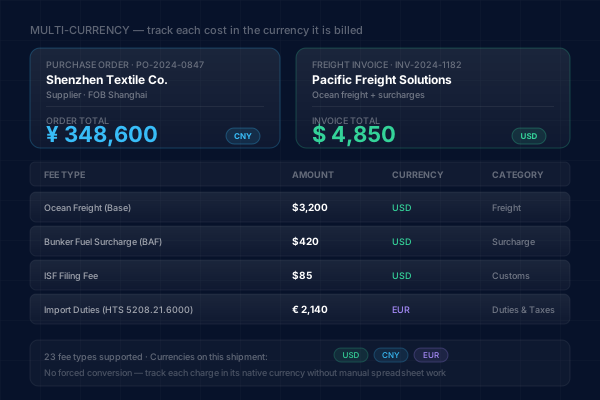
International procurement means dealing with multiple currencies. InboundShipments supports multi-currency values on purchase orders, invoices, and fee records so you can track costs in the currency they are billed, whether that is USD, EUR, CNY, or any other currency.
- Set currency on purchase orders to match supplier invoicing
- Invoice line items support the currency in which charges are billed
- Track 23 different fee types across freight, customs, and D&D charges in their native currency
- Maintain financial accuracy without manual currency conversion spreadsheets
Incoterms Built into Every Transaction
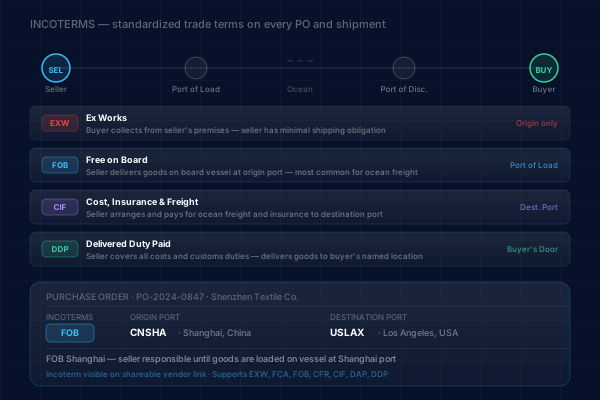
Incoterms define who is responsible for freight, insurance, and risk at each stage of international shipping. InboundShipments includes incoterms as a standard field on purchase orders and shipments, so the terms of trade are always documented and visible.
- Select from standard Incoterms (EXW, FOB, CIF, DDP, and more) on POs and shipments
- Incoterms visible on PO detail and shareable vendor links
- Helps your team understand cost responsibility at each stage of transit
- Consistent incoterm tracking across all your international orders
Customs Documentation and ISF Management
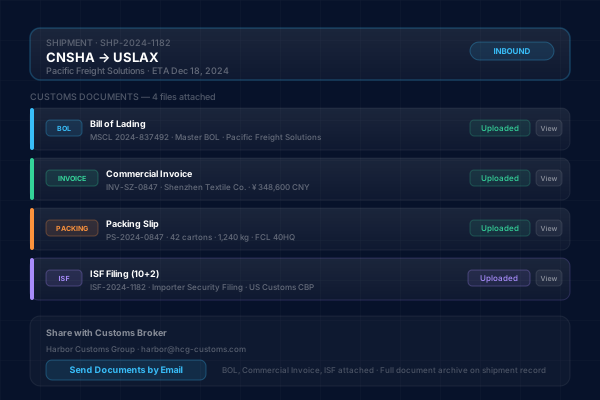
International shipments generate critical customs paperwork. InboundShipments supports document management for bills of lading, commercial invoices, packing slips, and ISF (Importer Security Filing) documents. Upload, organize, and share customs documents directly from your shipment records.
- Upload BOL, commercial invoice, packing slip, and ISF documents per shipment
- Document types are categorized for easy retrieval and organization
- Share documents with customs brokers and freight forwarders via email
- Maintain a complete document archive for customs compliance and auditing
HTS Codes and UN LOCODEs for Global Compliance
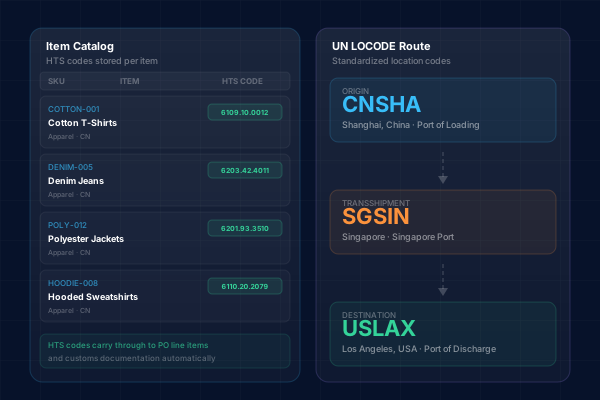
Accurate classification is essential for international trade. InboundShipments stores HTS (Harmonized Tariff Schedule) codes on your item catalog for customs classification and duty calculation. Locations throughout the system use UN LOCODEs for standardized international port and place identification.
- HTS codes stored on item records for consistent customs classification
- UN LOCODEs used for origin, destination, and transshipment locations
- Standardized location codes reduce errors in customs filings and documentation
- Item-level HTS data carries through from catalog to PO to customs documentation
Built for International Trade Complexity
Why Teams Choose InboundShipments for International Logistics
Handle the unique challenges of cross-border procurement with purpose-built tools.
Manage global procurement without currency confusion
When you buy in CNY, pay freight in USD, and handle customs duties in the destination currency, you need a system that tracks each cost in its native currency. InboundShipments does this across POs, invoices, and fee records.
Keep customs documents organized and accessible
International shipments require BOLs, commercial invoices, packing slips, ISF filings, and more. Instead of searching through email attachments and shared drives, store everything on the shipment record where your team and customs broker can find it.
Reduce customs classification errors with stored HTS codes
By maintaining HTS codes in your item catalog, you ensure consistent classification every time a product is shipped internationally. This reduces the risk of misclassification, duty penalties, and customs delays.
Standardize locations with UN LOCODEs
UN LOCODEs provide a universal way to identify ports, airports, and inland locations worldwide. InboundShipments uses this standard so there is no ambiguity about where containers are loaded, transshipped, or discharged.
Track AI-extracted invoice data for international charges
InboundShipments uses the Claude API for AI-powered invoice extraction. Upload a freight or customs invoice, and the system automatically extracts charges, fee types, amounts, and currencies -- handling the complexity of international billing documents.
International Logistics FAQ
Simplify international inbound logistics
Multi-currency, customs docs, HTS codes, and AI invoice extraction in one platform. Start your free trial today.
Explore Related Solutions
Inbound Shipment Tracking
Track international ocean containers with real-time milestones, vessel data, and ETA updates across global trade lanes.
Learn morePurchase Order Visibility
Manage international POs with multi-currency pricing, incoterms, and vendor collaboration for global procurement.
Learn moreVendor & Supplier Management
Organize international suppliers, freight forwarders, and customs brokers with global address support.
Learn more